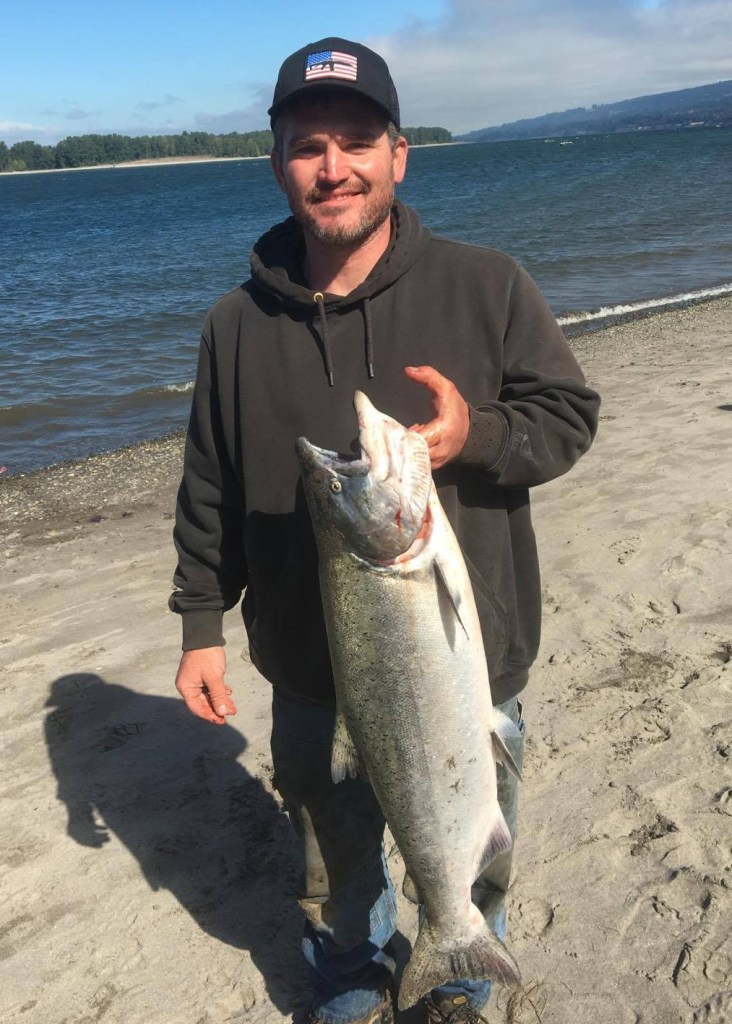
Our Mission: Water Safety Awareness
In Honor of Our Son
Mark Bunker Jr
1985 – 2020
Please remember to
wear a life jacket!

Mark Bunker Jr. – Life Vest Loaner Board
At 1837 hours of August 30, 2020, Cowlitz 911 received a report that a kayaker on the Columbia River fell out of his kayak and did not resurface. The location was at Martin’s Bar, near Woodland, Washington. Deputies with the Cowlitz County Sheriff’s Office responded to the area with a boat and diver and also used a drone to search for the missing kayaker.
The Clark County Sheriff’s Office and the Coast Guard sent additional boats to assist in the search, as well as a Coast Guard helicopter. Other fishermen in the area also assisted in the search. Efforts to locate Mark were unsuccessful.
Deputies contacted family members and witnesses at the scene where Mark had been fishing from the bank. The subject was using the kayak to take his fishing line out about 300 feet from shore and was seen falling out of the kayak as he dropped his line. He was not wearing a life jacket. The missing kayaker was identified as Mark A. Bunker Jr, age 35, of Ariel, Washington. Bunker was reportedly wearing a camouflage shirt, Carhartt jeans, and a black hat
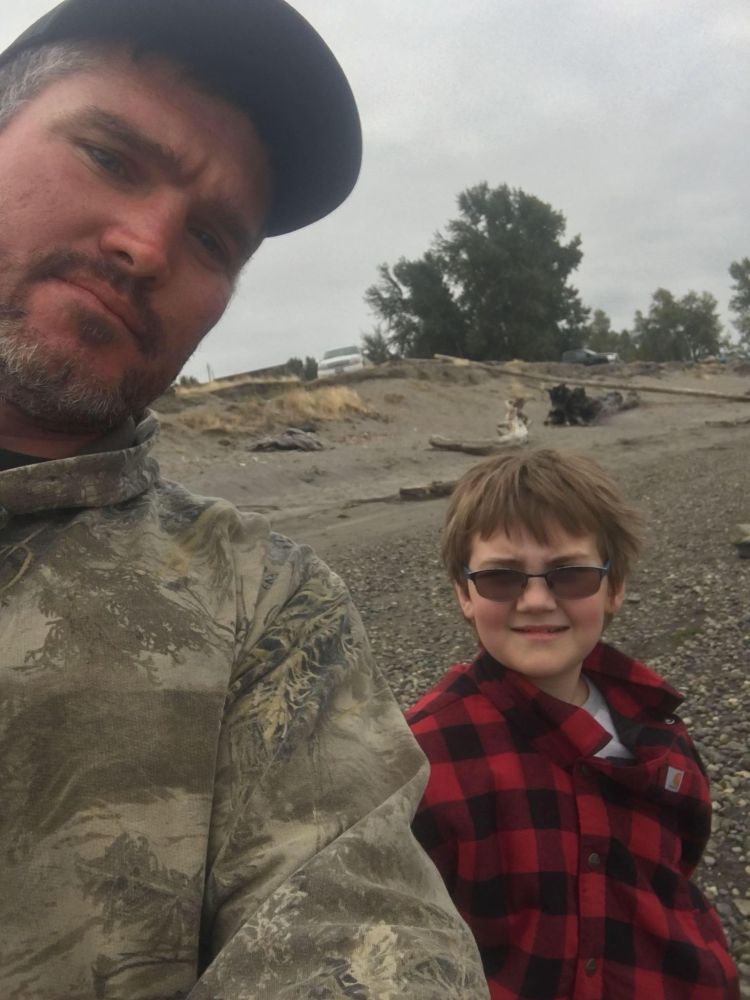
Aug. 30th, 2020 ~ This was the last photo Markie took the morning that he passed away. He had taken his nephew for his first time Salmon fishing with his daughter and son.
On the evening of August 30, 2020 Mark and his 10 yr old son went Salmon fishing at Martin’s Bar on the Columbia River.
At 6:37 PM we received a terrifying call from our grandson. He was crying and said, “Best Buddy fell out of his boat and I can’t see him anymore.” Mark’s kayak was hit by a wave from a passing ship causing the kayak to flip over. Mark was using the kayak to take his fishing line out about 300 feet from shore and was seen falling out of the kayak as he dropped his line. He was not wearing a life jacket at the time. His son said his best buddy called out for help twice, but no one was able to reach Mark before he went down.
September 1, 2020
Mark’s father was not going to give up and go home. The thoughts of not being able to find Markie were so painful. He was out on the river searching until he found our son. At approximately 7:15 PM, Mark Sr, Markie’s childhood friends Jeffery, Tyler and with the help of 2 local volunteer divers were able to locate and recover our son’s body. Our family is forever grateful.
On behalf of our entire family, we would like to thank everyone for the love and support that we have received. Whether you brought coffee, were on the river with Mark Sr, were able to aid in the search for Markie, or you bowed your head in prayer.
We have received countless phone calls, texts, flowers, meals, visits, and thoughts and prayers they have been both comforting during this difficult time and have been a reminder of the impact that Markie had on so many others.
We don’t recall everyone who was there as our mind’s were focused on something else as was yours. I, (Mark Sr) know at one moment on the boat Jeffery said to me “look at all the people who are here helping, their is sure a lot of love for Markie”, and I looked on the shore and for the first time I realized how many people were helping and all I could do was cry. To all his coworkers when I took that moment to look I seen a lot of orange from BNSF the same as Markie wore. To all of our family you all came to help us, in minutes your were there showing us the kind of love that only comes from the best family anyone could every imagine having.
Mark was loved so much by all his family and friends. He helped and touched so many lives in his 35 years. He loved God, his family, his friends, and he will be deeply missed by all who loved him.
Water Safety info:
- Drowning is the 3rd leading cause of unintentional injury death worldwide, accounting for 7% of all injury-related deaths. There are an estimated 320,000 annual drowning deaths worldwide.
- How do most drownings occur?
- Most drownings occur while teens and young adults are swimming, wading or when they jump or fall out of small boats. Of drowning deaths among Washington state 15-17-year-olds between 1999 and 2001, 40% were swimming, 16% were boating and 16% were wading in the water.
- What are the odds of drowning?
- Accidental drowning, 1 in 1,123
- Who is most at risk?
- Males: Nearly 80% of people who die from drowning are male.
The Difference Between A Lifejacket & A PFD? (Personal Flotation Device) https://redoriginal.com/blogs/news/difference-between-lifejacket-pfd
Jul 28, 2019 — There are a number of functional differences between the two, which we will come to shortly, but in essence, PFDs are designed to assist a conscious person (which is why they are also commonly referred to as ‘Buoyancy Aids’), while lifejackets can effectively support those who are unconscious.
How to Choose PFDs (Life Jackets)
Here are a few items to consider when out on the water. I found a couple of things online. We hope you will take the time to do your own research, it could save your life or someone you LOVE!!
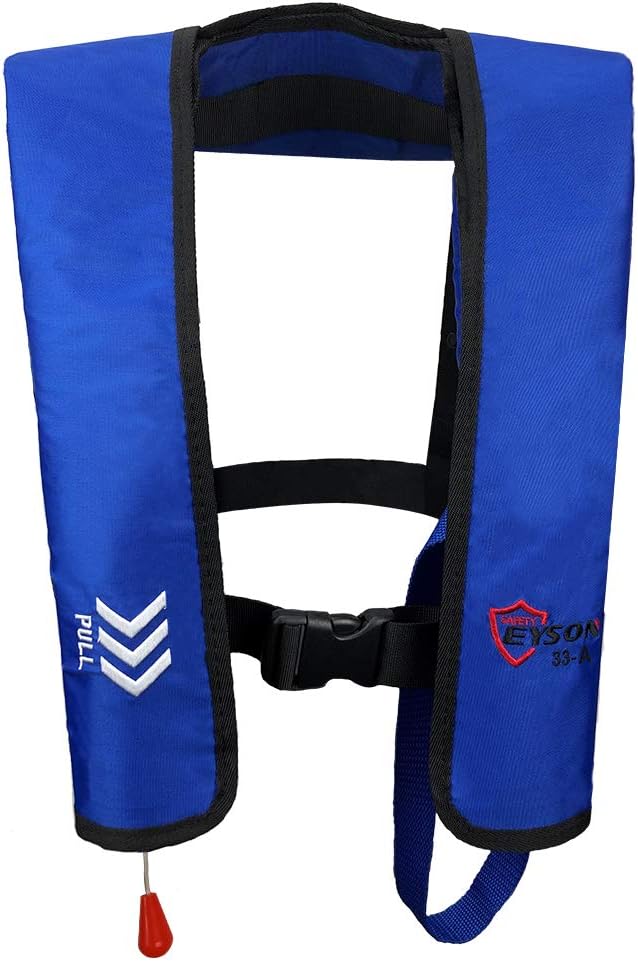
Eyson Inflatable Life Jacket Life Vest Basic Automatic/Manual
Professional & Reliable Manufacturer on Inflatable Life Jacket Vest Preserver – Eyson
Automatically inflates when submerged in water or when the wearer manually pulls the handle to inflate the life jacket.
Fast inflates in approximately 3-5 seconds to adjust your head above the water.
Equipped with a back-up oral inflation tube on the left of the life jacket.
Provides comfort, safety and peace of mind for the sportsman, flatwater paddler, or recreational boater without knowing you have it on, until you may need it.
Life Jacket Strobe Light for Man Overboard Survival Vest;
Water Activated, High Intensity Beam Locator,
Emergency Long Range Rescue LED Flashing Beacon
High Intensity Strobe Light Beam: Rated ≥ 8 hours with tested run time up to 20+ hours, this exceptionally intense survival beacon with a luminosity of .75CD meets USCG, MED and SOLAS requirements and is regarded as essential kit for both commercial and pleasure boaters alike.
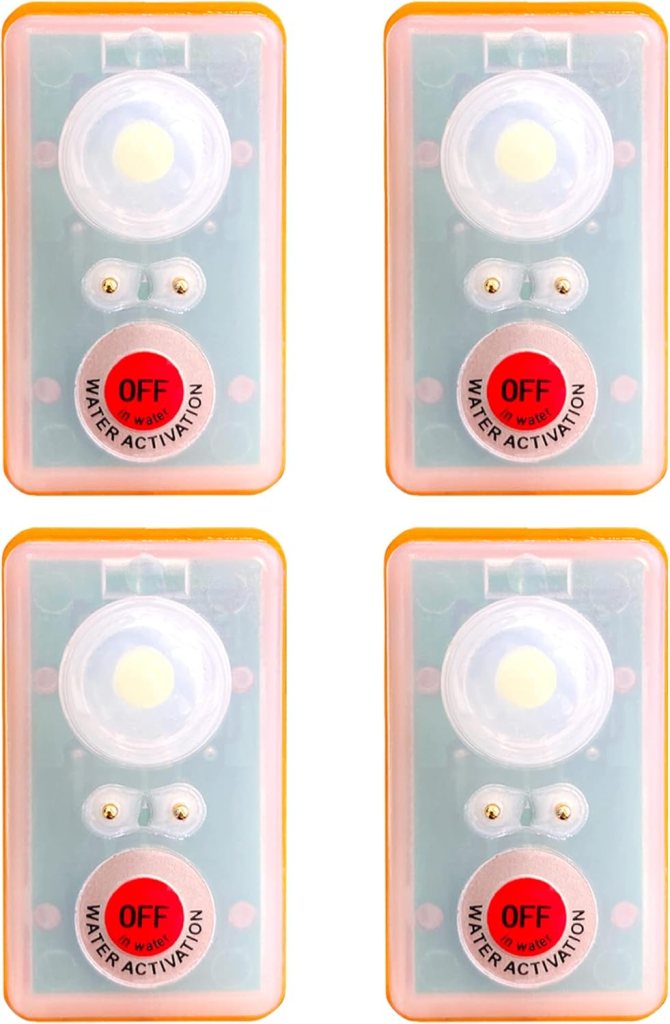
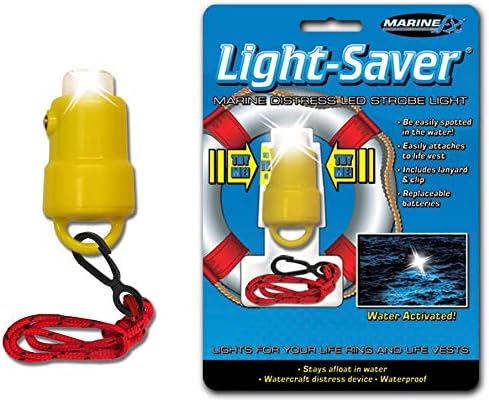
OFG Products Marine LED Light Saver
Water Activated Ultra Bright Safety Strobe Light Easily Attaches to Life Vest
- 🌊 INCREASED SAFETY: Device can easily be seen for over a mile at night in the water from any type of watercraft. Perfect for fishing, kayaking, rafting, water skiing, tubing, and more!
- 🌊 EASY TO USE: Attaches to any life vest with included lanyard and clip.
- 🌊 WATER ACTIVATED: LED strobe light automatically turns on once the device is exposed to water.
- 🌊 STAYS AFLOAT: Device is designed to float in water providing constant visibility from the surface.
- 🌊 BATTERIES INCLUDED: Device comes equipped with three, AG13 batteries for 80-100 hours of constant use. Batteries are easily replaceable by screwing cap off the device.
Recue and Recovery
What are the chances of surviving drowning?
Prognosis
| Duration of submersion | Risk of death or poor outcomes |
| 0–5 min | 10% |
| 6–10 min | 56% |
| 11–25 min | 88% |
| >25 min | nearly 100% |
Most drowning victims die in silence, because they can not cry out for help!
In the case of children, most survivors are found within 2 minutes of immersion, and most fatalities are found after 10 minutes or more.
Experts differentiate between distress and drowning.
- Distress – people in trouble, but who can still float, signal for help, and take action.
- Drowning – people suffocating and in imminent danger of death within seconds.
Underwater Drone for Search and Rescue
ROVs, or underwater drones coupled with navigational sonar systems prove to be ideal tools for murky water search & rescue/recovery operations.
Side Scan Sonar Search and Recovery of Drowning Victims
Gene & Sandy Ralston
Underwater Search and Recovery
Phone: 208-362-1303
Kuna, ID USA
Gene@SonarReflections.com
‘Saints on Earth’: Idaho couple has recovered the bodies of 113
people who couldn’t be found
https://www.idahostatesman.com/latest-news/article217104200.html
TIME REQUIRED FOR A DROWNING
VICTIM TO REACH BOTTOM
This paper describes a mathematical model that can be used to provide an estimate for the amount of time a drowning victim takes to sink through the water and hit bottom, including a table for drift during the descent.
A victim may be on the surface and then be on the bottom less than 10 seconds later.
Search and rescue professionals need to be trained to understand the short time during which a victim can sink and drown and the need for IMMEDIATE search and rescue from the BOTTOM starting at the LAST POINT THE VICTIM WAS SEEN.
Introduction
How many times has a rescue squad come to a waterfront and heard the family say, “We just looked away for a second and he was gone.” A common misconception is that a swimmer will stay on the surface struggling and then slowly sink beneath the surface of the water. They mistakenly believe that a witness will easily have enough time to see the drowning and make a rescue.
The purpose of this paper is to describe a mathematical model that can be used to provide an estimate for the amount of time a drowning victim takes to sink through the water and hit bottom. Since this is a model and not a full simulation, the number of variables used in the model has been limited to weight, chest circumference, chest length and water depth. Timed experiments were done by the authors in a swimming pool where one of the authors swam to about a six foot depth, expelled air, became negatively buoyant and sank to the bottom of the pool. The results of these simulations were used to check if the calculated results were close to the experimental results.
As with any mathematical model there are serious differences between the model and what actually occurs in a real situation. The intent of the model is not to arrive at an exact time but rather to show an estimation of the very short duration required while sinking. Issues which can affect the sink time include such issues as body density which differs with factors such as age and body type, current flow, and density of the water. As an example, salt water has a higher density than fresh water and therefore will have an impact on sink time. Continuing this example, a very fit twenty year old male will sink faster in fresh water than a very young female in salt water.
Since it will be shown that the time to reach bottom is relatively short (in seconds), the implication for search and rescue personnel is that a victim may be on the surface at one point in time, but be on the bottom 5-10 seconds later.
Additionally, the fastest recorded drowning the authors have analyzed, i.e., time elapsed between the victim’s head going under water and CPR being started immediately without the victim recovering, is 38 seconds (Hunsucker & Davison, 2010). There has been at least one other drowning documented by the authors that was less than one minute in addition to several that were felt to have been less than a minute but lacked sufficient documentation to verify the time. Unless a fellow swimmer or lifeguard, if there is one, is both vigilant and able to detect the visual signals showing a swimmer in trouble (Hunsucker & Davison, 2008) the fast drowning and sinking can make it easy to miss a victim after they disappear from the surface of the water.
It should also be remembered that, based on the laws of physics, drowning victims do not go part way down and stop once they lose positive buoyancy. They go all the way to the bottom. Emergency personnel need to be aware that drowning victims are either on the surface, moving quickly (in seconds) toward the bottom or on the bottom.
Table One
Estimated Time to Sink Eight Feet
| Age | Weight (lbs) | Chest Cir. (in.) | Height | Sink Time (sec) |
| 3 | 33 | 20.2 | 2’9” | 7.1 |
| 6 | 48 | 22.8 | 3’6” | 6.4 |
| 12 | 95 | 28 | 5’ | 6.2 |
| Men | 180 | 43 | 5’9” | 5.3 |
| Women | 148 | 40 | 5’4” | 5.1 |
- For most swimmers, a depth of 20 feet (6.09 meters) is the most they will free dive. Experienced divers can safely dive to a depth of 40 feet (12.19 meters) when exploring underwater reefs. When free diving the body goes through several changes to help with acclimatisation.
- Everyone and every situation is different – but we can go for three minutes without oxygen. After five to ten minutes of not breathing, you’re likely to develop serious brain damage that may be irreversible.
- The case-control study described above reported a mortality rate of 74 percent, with 4 percent of victims surviving with severe neurologic disability. Of those patients who survive to hospital discharge neurologically intact, long-term survival appears to be similar to the general population.
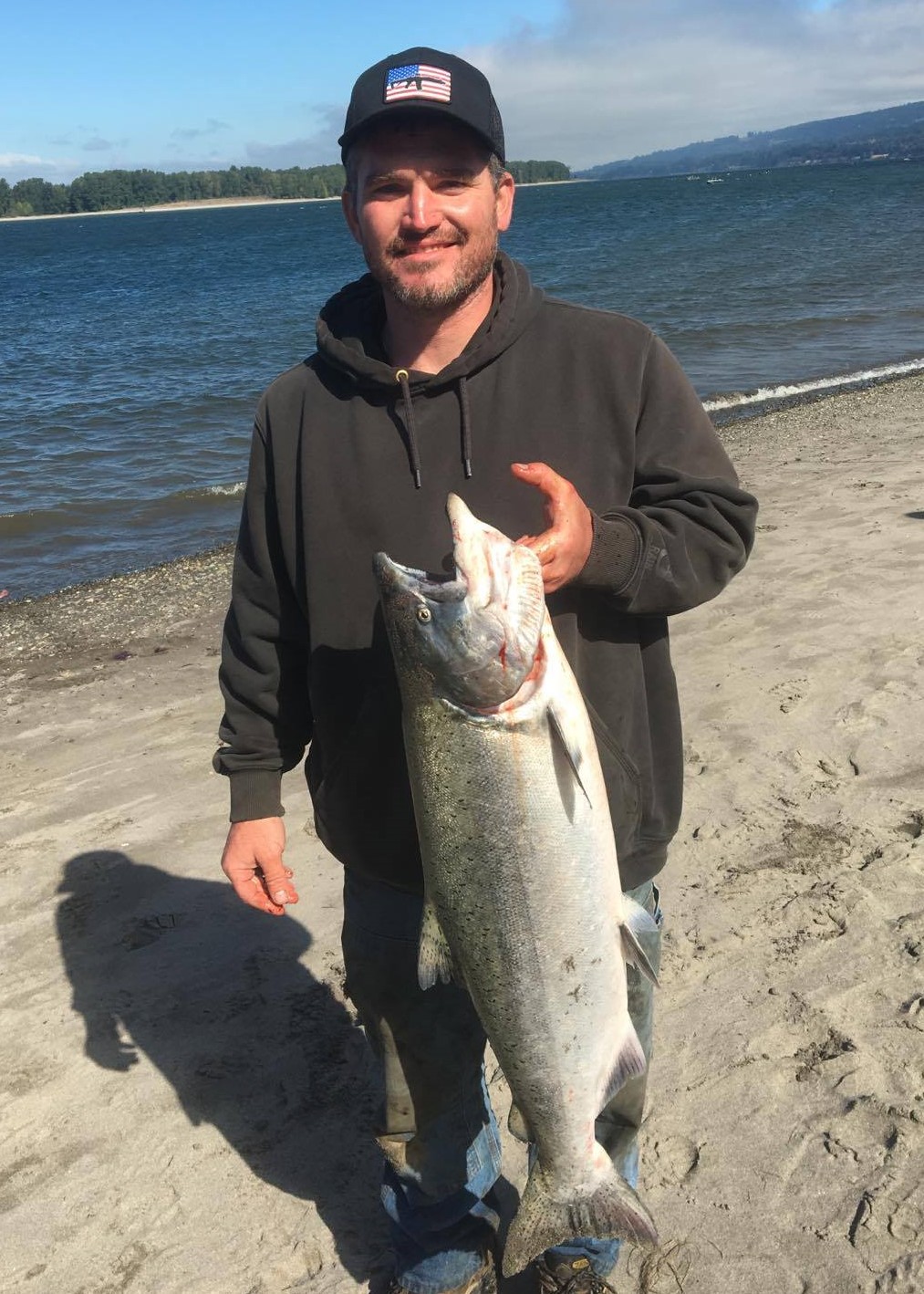
The photos below were taken Aug. 28, 2020. Mark and his daughter.
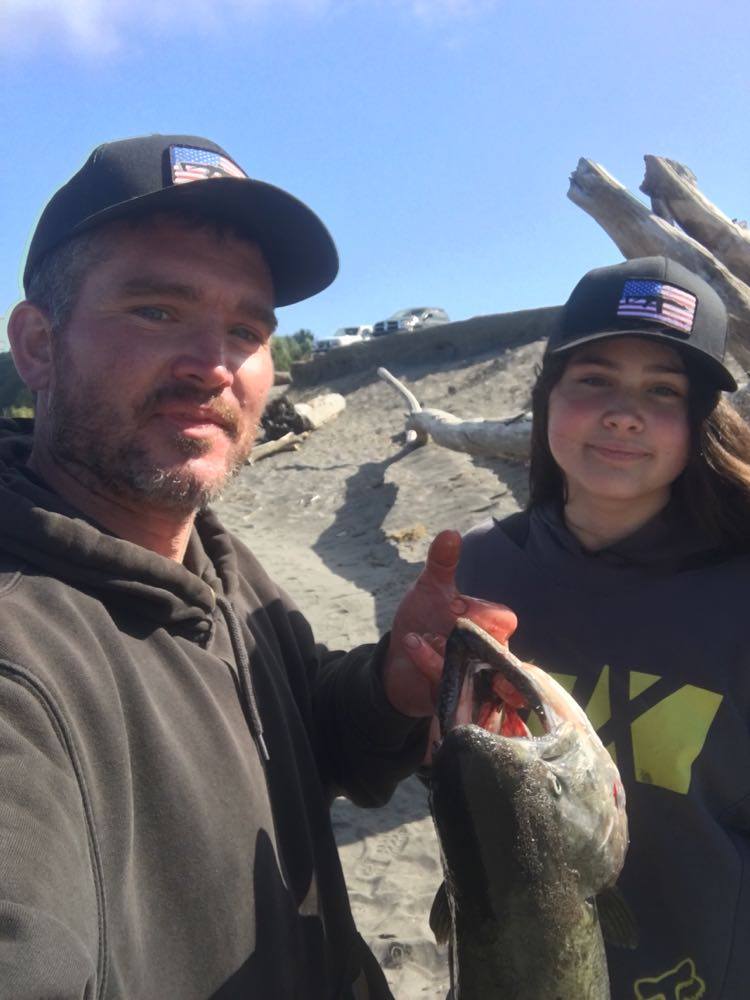
The photos below were taken Aug. 29, 2020. Mark, Robin and their Son.
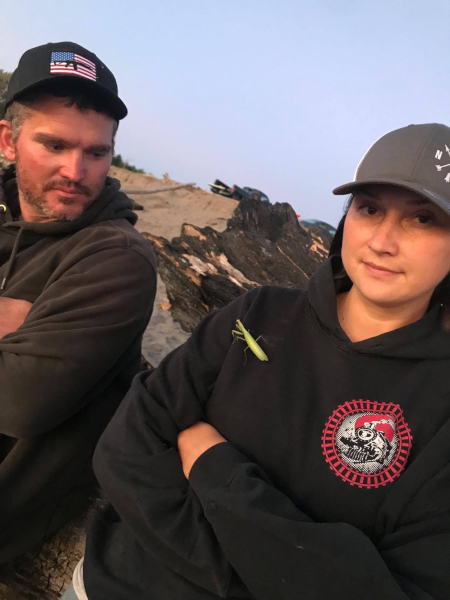
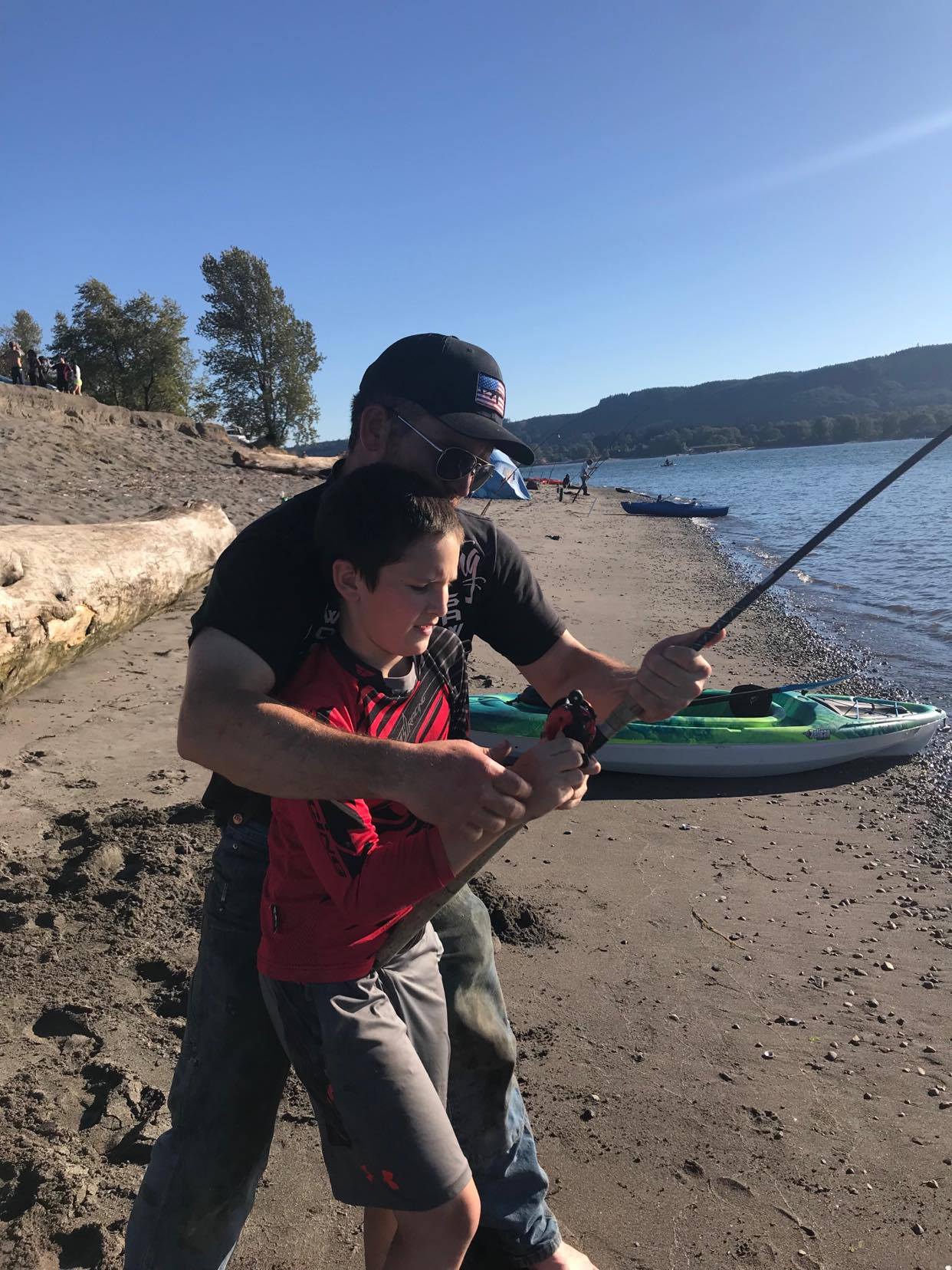
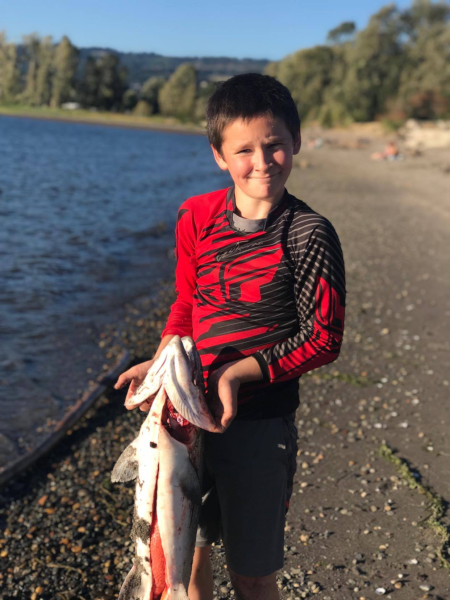
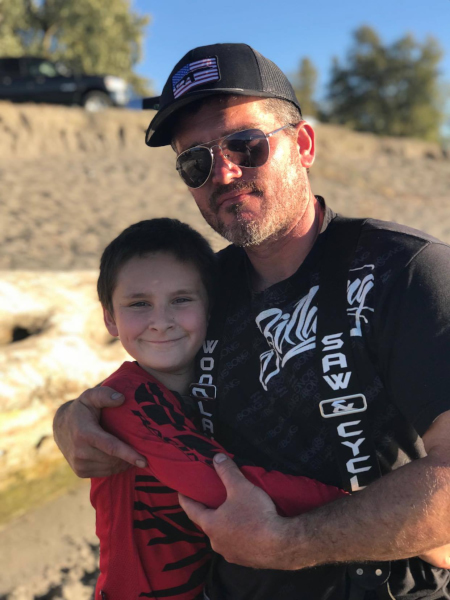
The photos below were taken Aug. 30th, 2020, the morning Mark passed away. Mark had taken his children and his nephew fishing that morning. It was his nephew’s first time Salmon Fishing ever. The last photo Mark took that morning is Mark and his nephew.


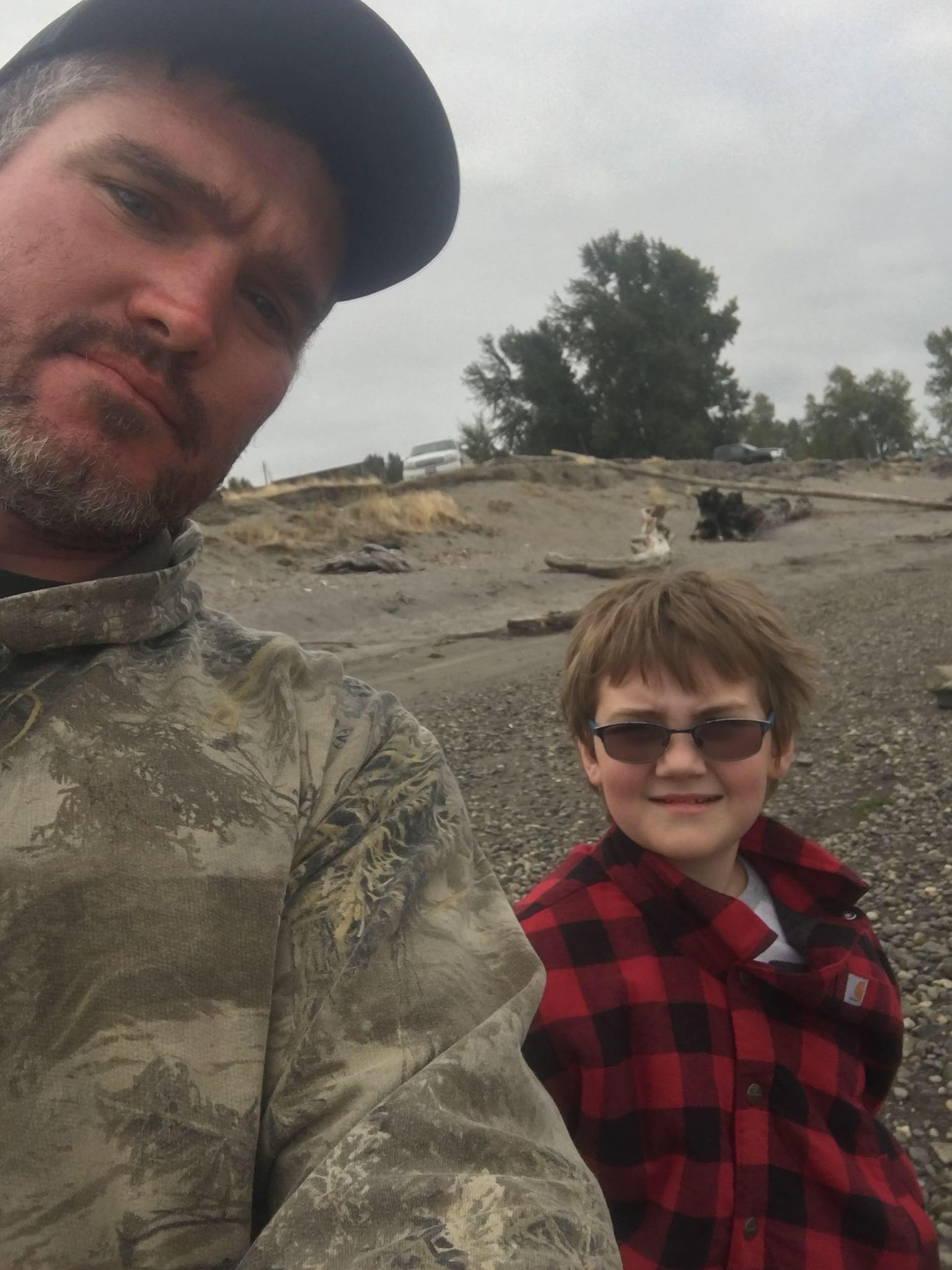
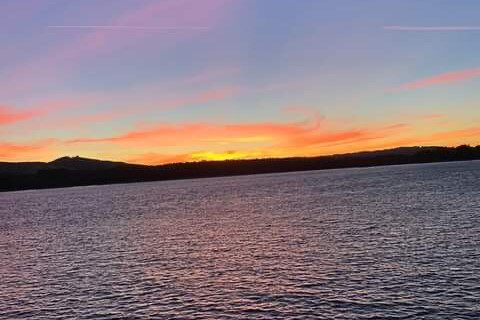
Sunset on the Columbia River – September 1, 2020 @ 8:14 PM
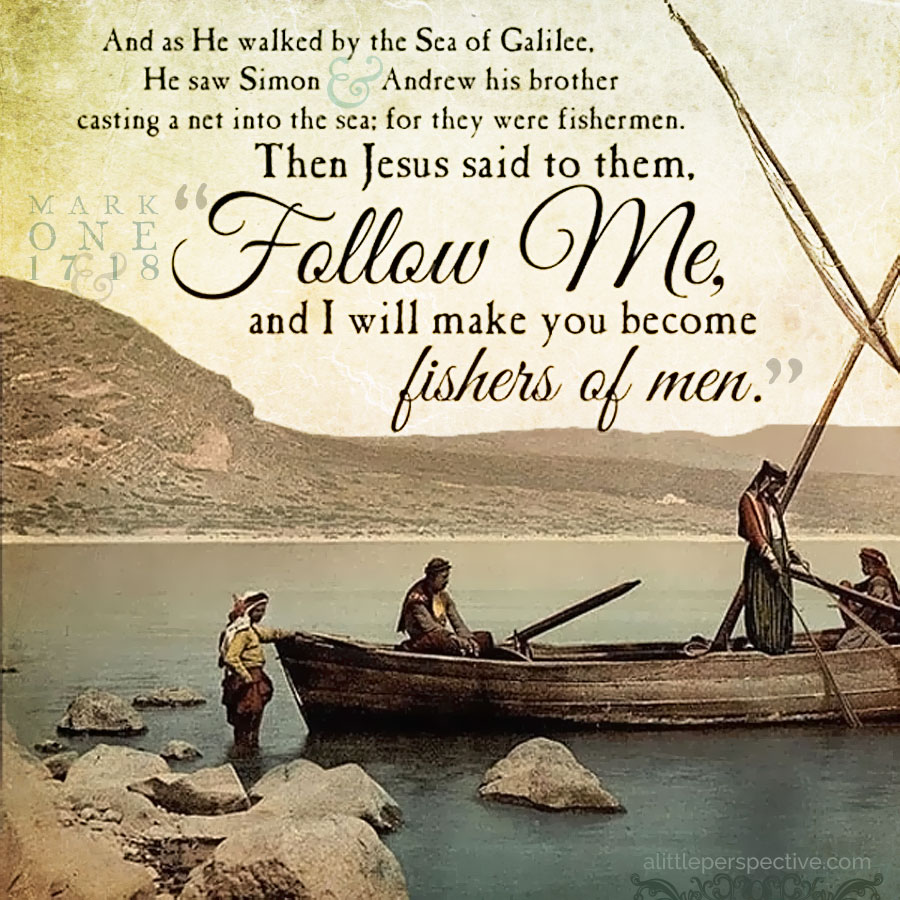
Mark 1:17 – And Jesus said unto them, Come ye after me, and I will make you to become fishers of men.
 Mark Bunker Jr #236